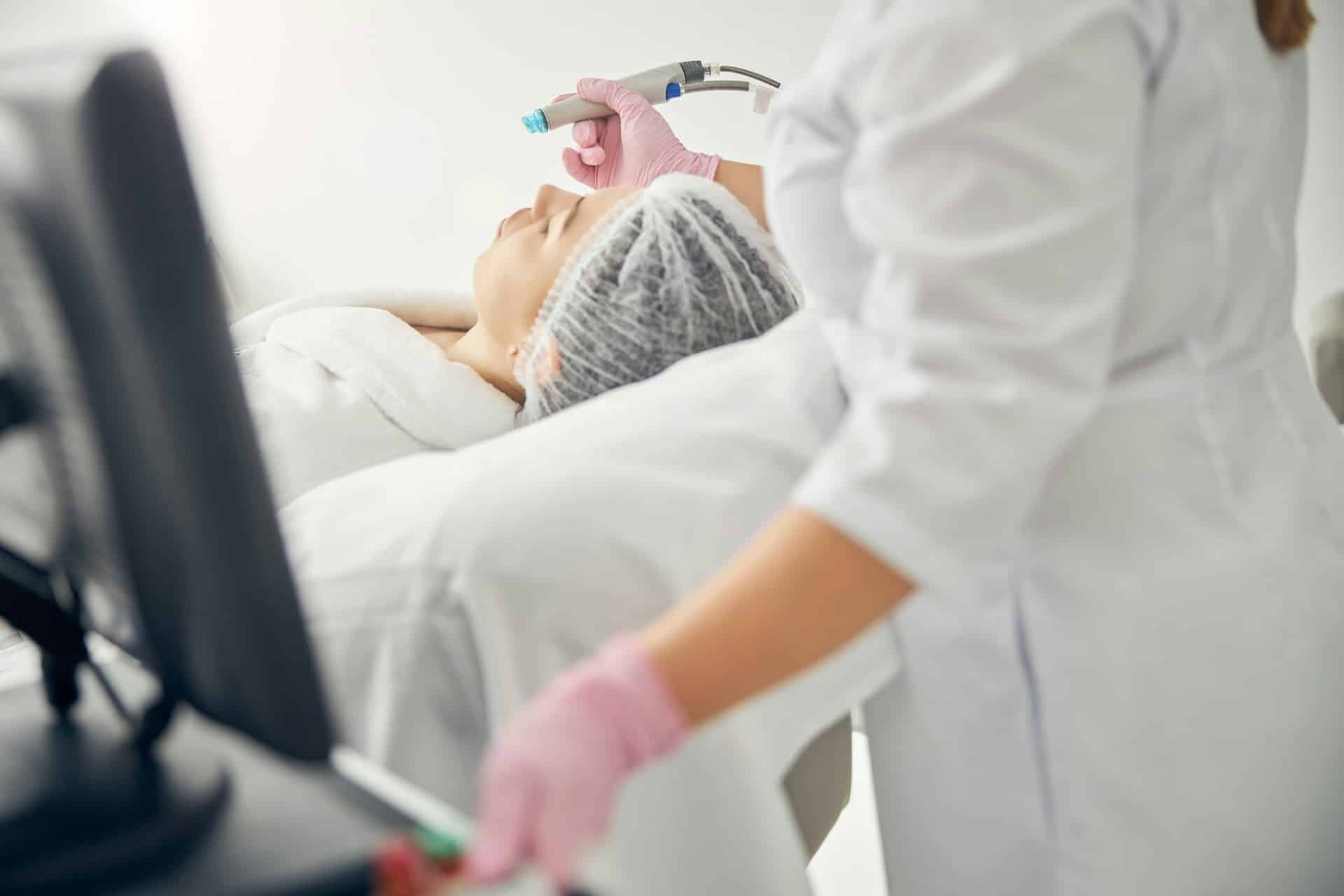
The medical aesthetics industry has experienced rapid growth across Ontario over the past decade. Services such as injectable neuromodulators and dermal fillers, laser treatments, body contouring, platelet-rich plasma (PRP) therapy, and advanced skin rejuvenation procedures have firmly established themselves in the mainstream. As demand has increased, so too has regulatory scrutiny.
Medical spas (often referred to as “med spas”) occupy a complex legal space. They sit at the intersection of healthcare, professional regulation, consumer protection, and commercial business law. Unlike traditional spas, many medical aesthetic services involve controlled acts under Ontario law and must be provided by, or under the supervision of, regulated health professionals. At the same time, these businesses are often structured as commercial enterprises with investors, branding strategies, franchise models, and growth plans.
For physicians, nurses, entrepreneurs, and investors entering the medical aesthetics space, understanding the legal framework governing this field in Ontario is essential. Failure to comply can result in professional discipline, regulatory investigations, contractual disputes, or even business shutdowns.
Understanding the Regulatory Landscape for Medical Aesthetics
Medical aesthetics in Ontario is governed by a layered regulatory framework. Unlike some jurisdictions where aesthetic services are lightly regulated, Ontario imposes strict rules on who may perform specific procedures, how clinics are owned and operated, and how services are marketed to the public.
At the foundation of this framework is the Regulated Health Professions Act (RHPA), which establishes Ontario’s system of regulated health professions and defines “controlled acts.” Controlled acts include procedures such as administering substances by injection, prescribing medications, and performing procedures below the dermis—activities that are common in medical aesthetics.
The RHPA works in conjunction with profession-specific statutes, including the College of Physicians and Surgeons of Ontario (CPSO) and the College of Nurses of Ontario (CNO), each of which issues binding standards, policies, and guidelines for its members. These regulatory bodies play a central role in determining how medical aesthetic services must be delivered.
In addition to professional regulation, medical spas must comply with Ontario business laws, privacy legislation, occupational health and safety requirements, advertising restrictions, and contractual obligations with staff, suppliers, and landlords.
Distinguishing Medical Spas from Traditional Spas
One of the most common sources of confusion in this industry is the distinction between a medical spa and a traditional spa. The difference is not defined by branding or aesthetics, but by the nature of the services provided.
Traditional spas typically offer non-medical cosmetic services, including facials, massages, waxing, and non-invasive skin treatments. These services do not involve controlled acts and are not regulated under healthcare legislation.
Medical spas, by contrast, offer services that may include injections, prescription-based treatments, energy-based devices that penetrate the skin, or procedures that carry medical risks. Once a business crosses into this territory, it becomes subject to healthcare regulation, regardless of how it markets itself.
This distinction has significant legal consequences. A clinic offering injectable treatments cannot simply operate as a beauty business. It must comply with professional standards, supervision requirements, and clinic-level obligations that apply to healthcare settings.
Who Can Perform Medical Aesthetic Procedures in Ontario?
A central legal issue for medical spas is determining who is legally permitted to perform medical aesthetic procedures. In Ontario, this depends on whether the procedure constitutes a controlled act and whether it requires medical delegation or supervision.
Physicians are authorized to perform controlled acts within the scope of their practice and may also delegate certain acts to other regulated health professionals. Registered nurses (RNs) and registered practical nurses (RPNs) may perform delegated controlled acts if they meet the competency requirements and act in accordance with applicable standards and guidelines.
The CPSO and CNO both require that delegation arrangements be clearly documented and that physicians retain ultimate responsibility for patient care. This means that a physician cannot simply “lend” their licence to a clinic without meaningful involvement. Passive oversight arrangements that exist only on paper present significant regulatory risk.
Medical spas must carefully structure their clinical models to ensure that all services are delivered by authorized individuals, under appropriate supervision, and within each professional’s scope of practice.
Physician Oversight and Medical Directorship Models
Many medical spas rely on a medical director model, where a physician provides clinical oversight while other professionals deliver day-to-day services. While this model is permitted, it must be implemented correctly.
From a regulatory perspective, the physician medical director is responsible for:
- Establishing medical policies and protocols;
- Ensuring proper patient assessment and consent;
- Overseeing delegation and supervision arrangements;
- Ensuring compliance with CPSO standards; and
- Participating meaningfully in quality assurance.
A medical director who fails to meet these obligations may face professional discipline, even if they are not personally administering treatments. From a business perspective, unclear medical directorship agreements can also lead to disputes over liability, compensation, and termination rights.
Carefully drafted medical director agreements are crucial for defining roles, responsibilities, indemnification, and exit strategies.
Business Structure and Ownership Restrictions
Another critical legal consideration is how a medical aesthetics business is structured and owned. In Ontario, there are important restrictions on who may own and control professional medical corporations and how clinical decision-making is exercised.
Physicians may incorporate professional medical corporations under the Business Corporations Act (Ontario), subject to CPSO approval. These corporations may only carry on the practice of medicine and must be owned and controlled by physicians.
Non-physician investors may own or operate non-clinical entities, such as management companies, real estate holding companies, or brand licensing entities. However, they cannot interfere with clinical decision-making or exert control over professional judgment.
Improper corporate structures, particularly those that give non-regulated individuals control over clinical matters, can lead to regulatory enforcement and invalidate corporate arrangements.
Management Services Organizations (MSOs) and Fee-Splitting Risks
To accommodate investment and operational support, many medical spas use Management Services Organization (MSO) structures. Under this model, a non-professional entity provides administrative, marketing, staffing, and facilities support, while regulated professionals deliver clinical services.
While MSOs are permissible in principle, they must be carefully designed to avoid prohibited fee splitting or undue influence over clinical care. Compensation arrangements must reflect the fair market value of services provided and must not be tied directly to clinical revenue in a manner that undermines professional independence.
Both the CPSO and CNO scrutinize arrangements that appear to commercialize medical decision-making or incentivize overtreatment. Legal review of MSO agreements is essential to ensure regulatory compliance and long-term stability.
Patient Consent and Clinical Documentation Requirements
Medical aesthetic treatments, while often elective, still require informed consent. Ontario law requires that patients be provided with sufficient information about the nature of the procedure, expected benefits, material risks, alternatives, and post-treatment care.
Consent must be voluntary, informed, and documented. Inadequate consent processes are a common source of patient complaints and professional discipline.
Medical spas must also maintain accurate clinical records, including patient assessments, treatment notes, documentation of adverse events, and follow-up care. These records are subject to privacy legislation and may be reviewed by regulators in the event of a complaint or inspection.
Privacy, Health Records, and Data Protection
Medical spas routinely collect sensitive personal health information. As a result, they are subject to Ontario’s health privacy framework, including obligations under the Personal Health Information Protection Act (PHIPA).
Businesses must implement policies governing data security, record retention, access controls, and breach response. Use of third-party booking systems, cloud-based record platforms, and marketing tools must be carefully vetted to ensure compliance with privacy obligations.
Privacy breaches can result in regulatory penalties, civil liability, and reputational harm.
Advertising, Marketing, and Use of Titles
Marketing is another area where medical spas frequently encounter legal risk. Both the CPSO and CNO impose strict rules on advertising, including prohibitions on making misleading claims, guaranteeing outcomes, and misusing professional titles.
Physicians and nurses must ensure that promotional materials accurately reflect their role and credentials. The use of terms such as “doctor,” “medical expert,” or “specialist” is regulated and must not be used in a misleading manner.
Before launching advertising campaigns, websites, or social media promotions, medical spas should ensure that content complies with professional advertising standards and consumer protection laws.
Employment, Independent Contractors, and Staffing Models
Medical aesthetics clinics often rely on a mix of employees and independent contractors. Misclassification can expose businesses to liability under employment standards, tax law, and occupational health and safety legislation.
Contracts with nurses, aestheticians, laser technicians, and administrative staff should clearly define roles, compensation, termination rights, confidentiality obligations, and restrictive covenants where appropriate (and where permitted under Ontario’s employment laws).
Well-drafted agreements help manage risk and provide clarity as the business grows or changes ownership.
Risk Management and Professional Liability
Medical aesthetic procedures carry inherent risks. Businesses must ensure that appropriate professional liability insurance is in place for all practitioners and that corporate insurance coverage aligns with the services offered.
Clear incident response protocols, complaint handling procedures, and internal quality assurance systems can reduce exposure and demonstrate regulatory compliance if issues arise.
Willis Business Law: Supporting Windsor-Essex Medical Aesthetics & Med Spas
Medical aesthetics is a sophisticated and heavily regulated industry in Ontario. Success depends not only on clinical excellence and brand appeal, but on a solid legal foundation that supports professional integrity, regulatory compliance, and commercial viability.
Willis Business Law advises medical spas, aesthetic clinics, physicians, nurses, and investors on all aspects of medical aesthetics businesses, from incorporation and ownership structures to professional compliance, contracts, and ongoing operational support. Whether you are launching a new clinic, restructuring an existing operation, or planning for growth, our innovative business lawyers can help you navigate the legal complexities with confidence. To book a consultation, please call (519) 945-5470 or reach out online.